


Strong Bodies, Strong Minds
#WholeSchool
Did you know that a strong, stable core can make all the difference to your child’s ability to focus, read with fluency, and write with confidence?
At Te Mata School, we believe that building strong bodies lays the foundation for strong minds. While it’s easy to think of literacy and writing as skills of the hands and brain, research consistently shows that it all begins in the body — with strength, balance, coordination, and stability. When a child has a strong core, they can sit tall at their desk, stay focused on their learning, and control the fine movements needed for handwriting, page-turning, and visual tracking. That’s why physical development is not just a side note in our curriculum. We are proud to offer a wide range of activities and targeted programmes that support children’s gross motor development, which in turn boosts academic success. We have created an environment that allows our “Learners to Thrive” (Strategic Goal 4).
Here’s what your child might experience throughout the school year:
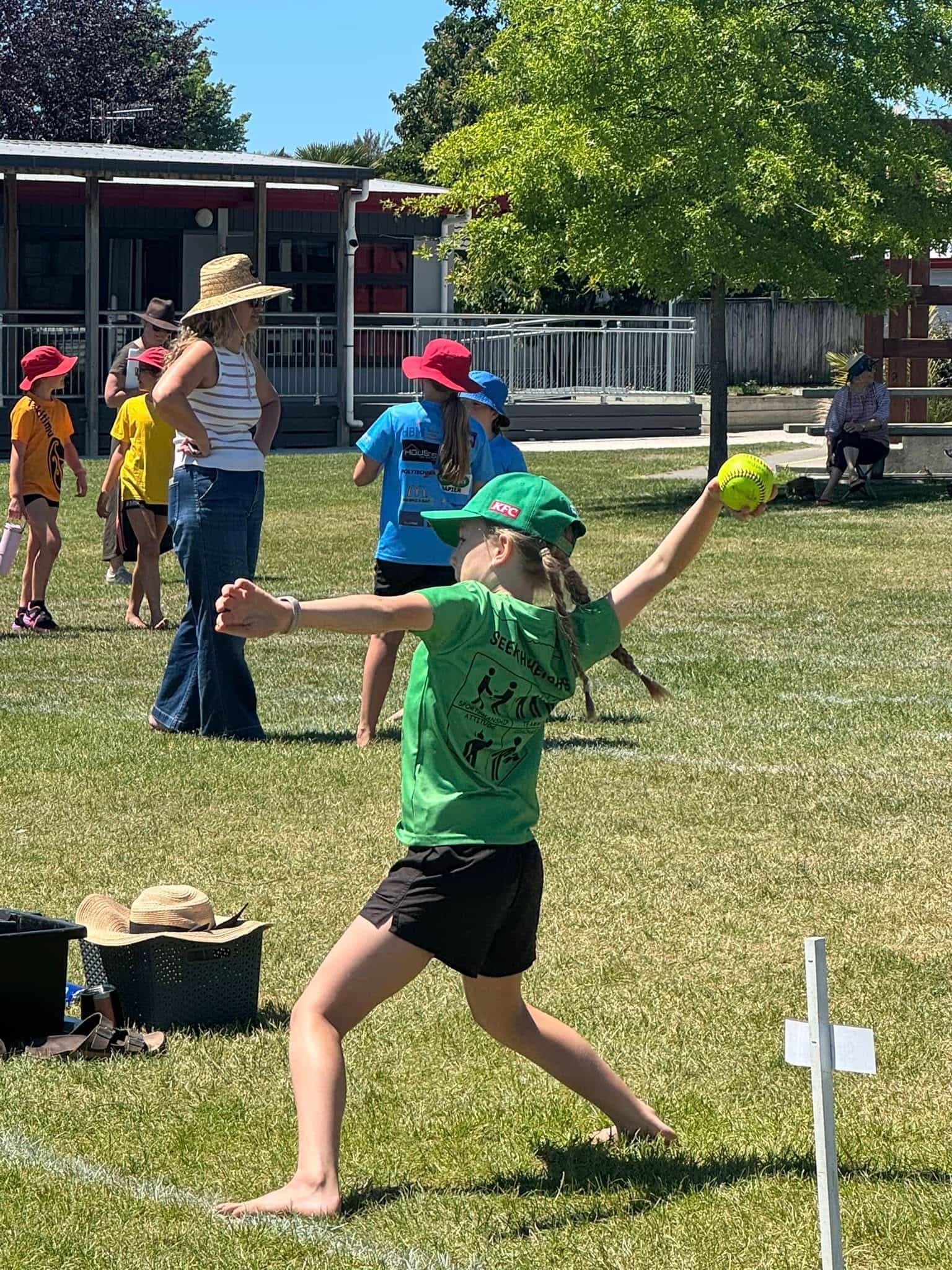
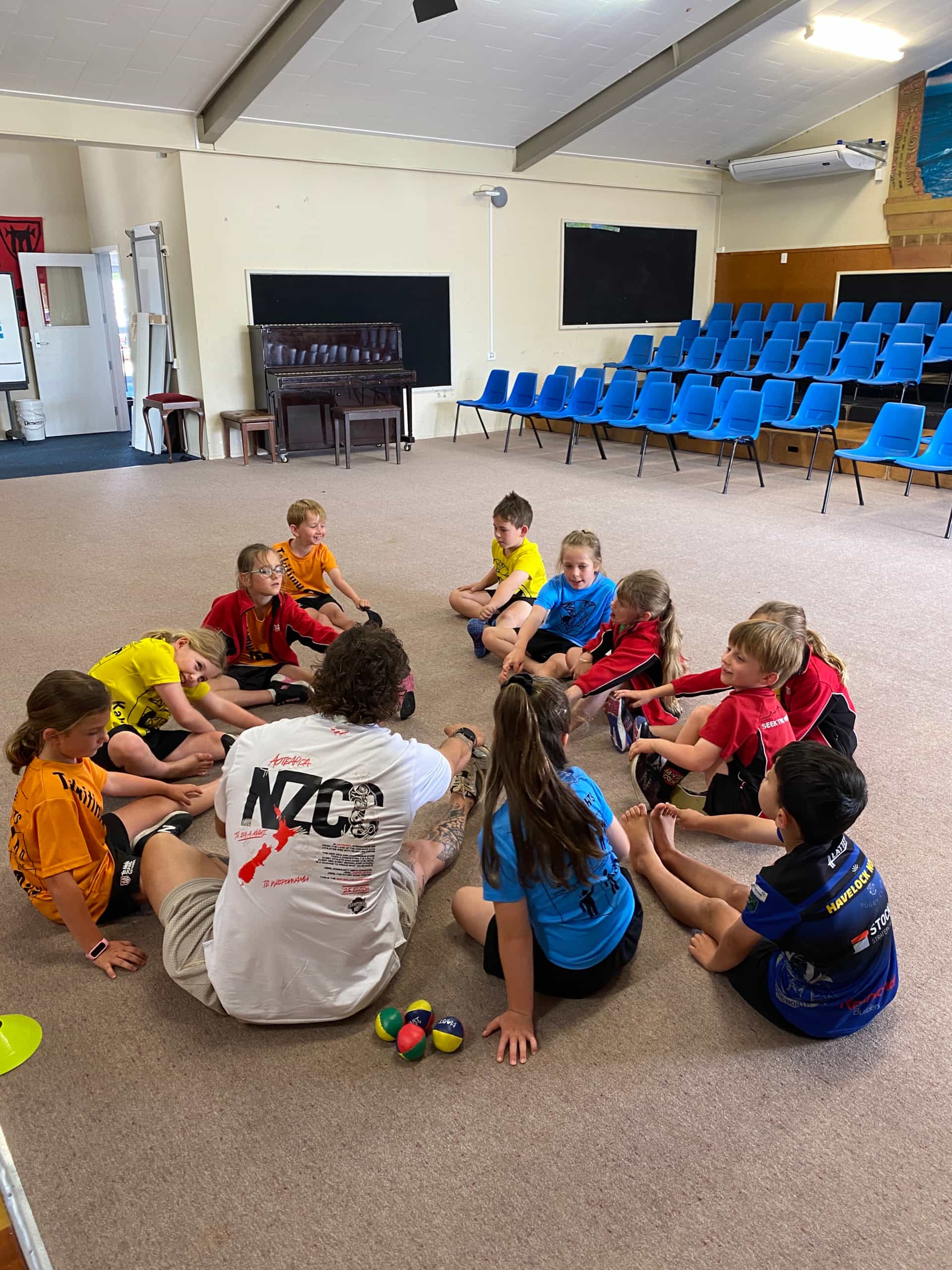
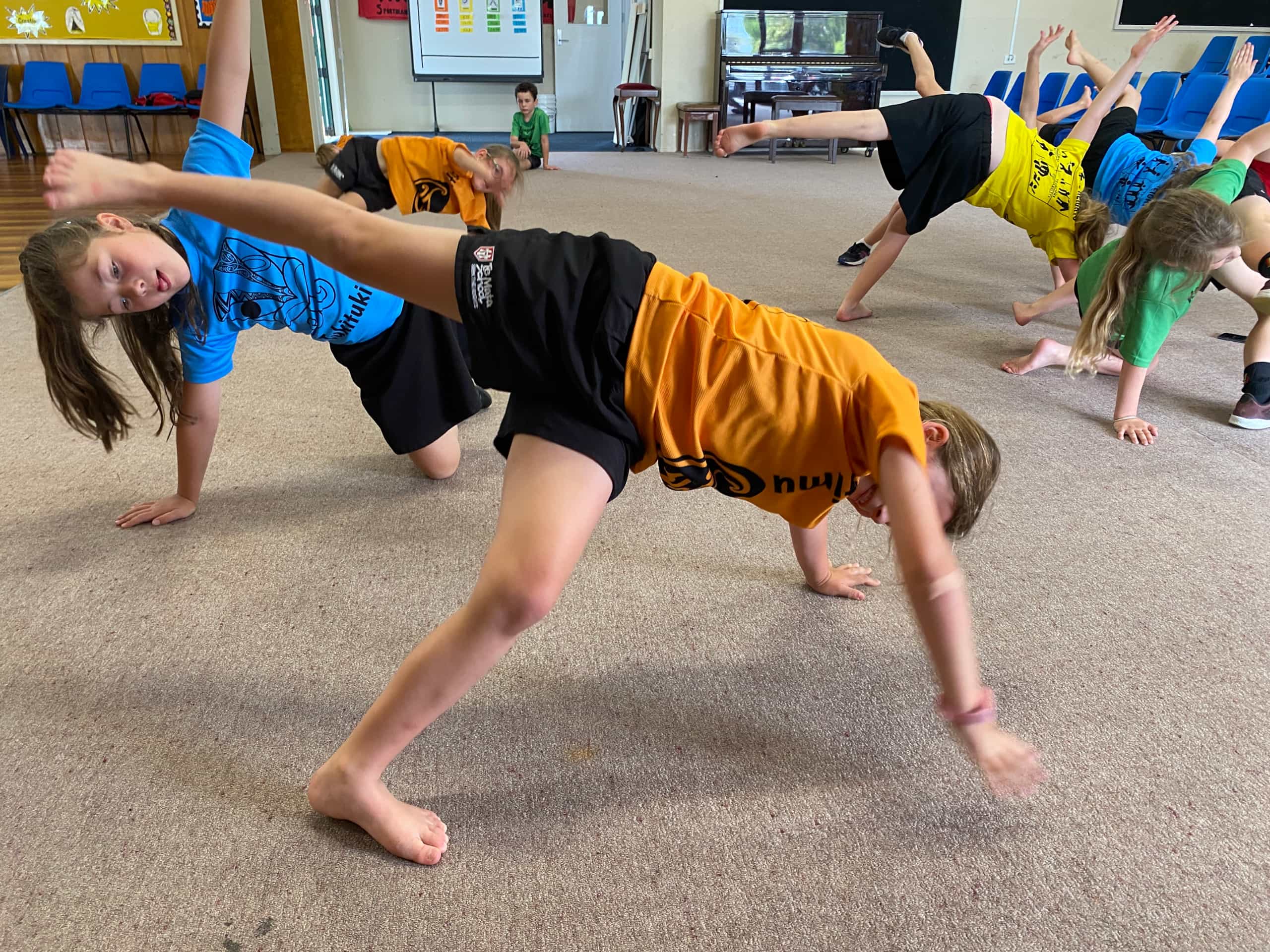
Daily movement woven into learning: Teachers integrate movement throughout the day. This may include a short energiser like a game of “never-ending tag” on the courts, or an intensive skill-building PE session developing ball-handling or athletics skills. These activities help regulate energy levels, support concentration, and develop gross motor skills.
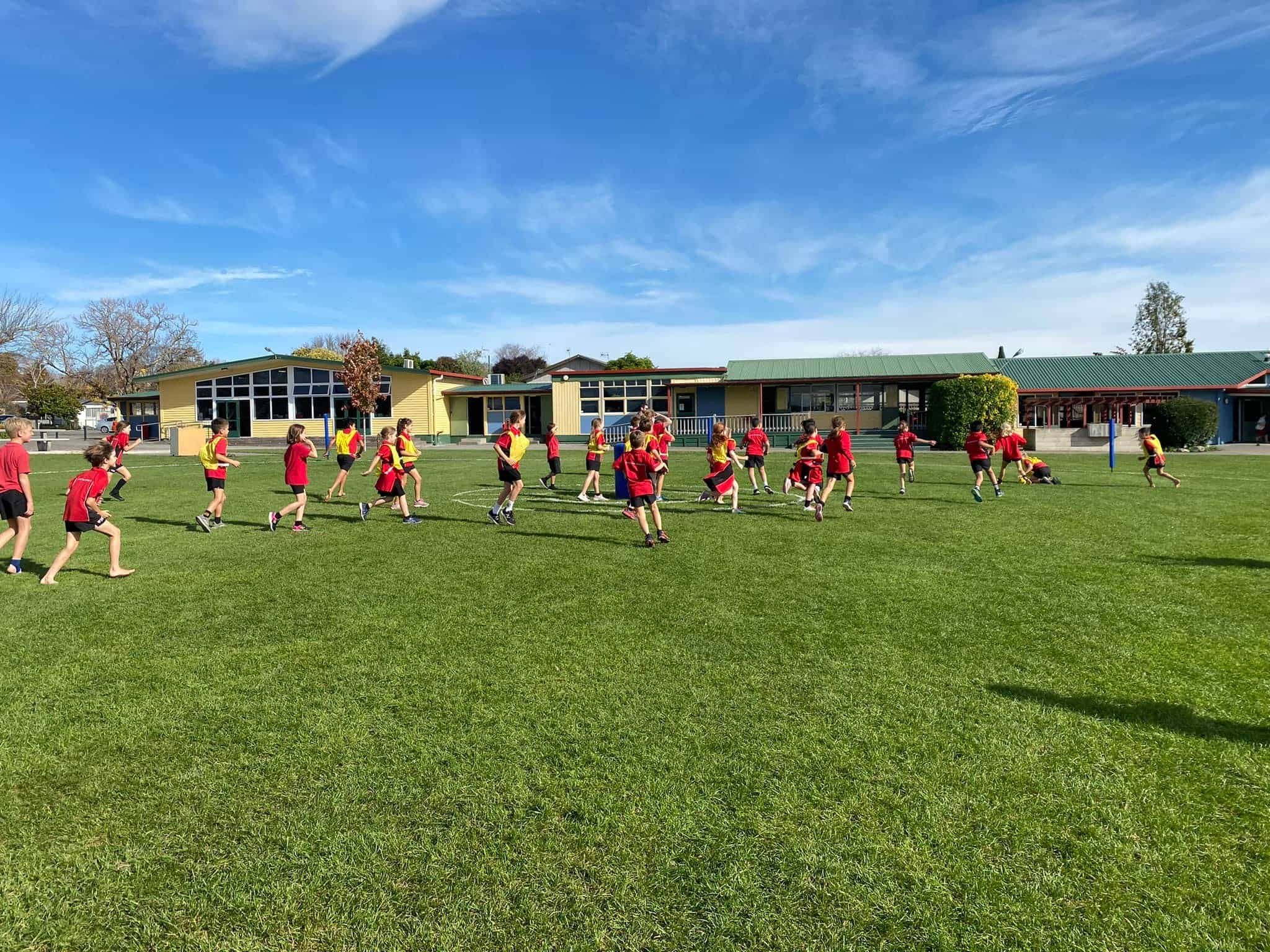
- Whole-school swimming lessons: All students participate in swimming lessons for one term (eight sessions). Swimming plays a vital role in strengthening the core, improving balance and coordination, and developing cross-lateral movement — all crucial for classroom readiness. The resistance of the water helps build the muscle tone and endurance needed for sitting upright and maintaining focus in class.
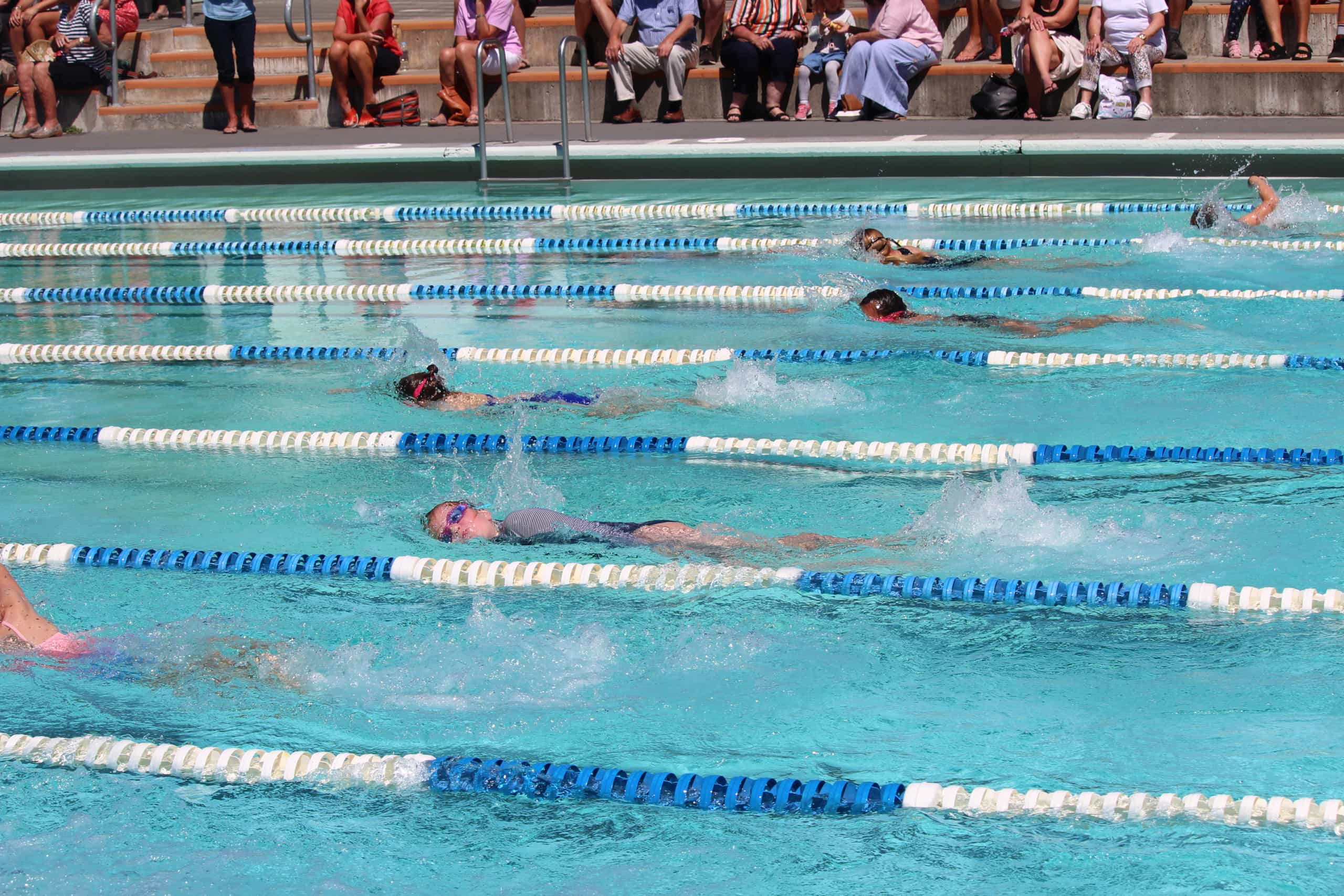
Specialised support programmes for targeted groups:
Year 2 & 3 Adaptive Sessions with Linc: A personal trainer from Adaptive NZ works with students in fun sessions designed to strengthen core muscles and improve coordination and balance.
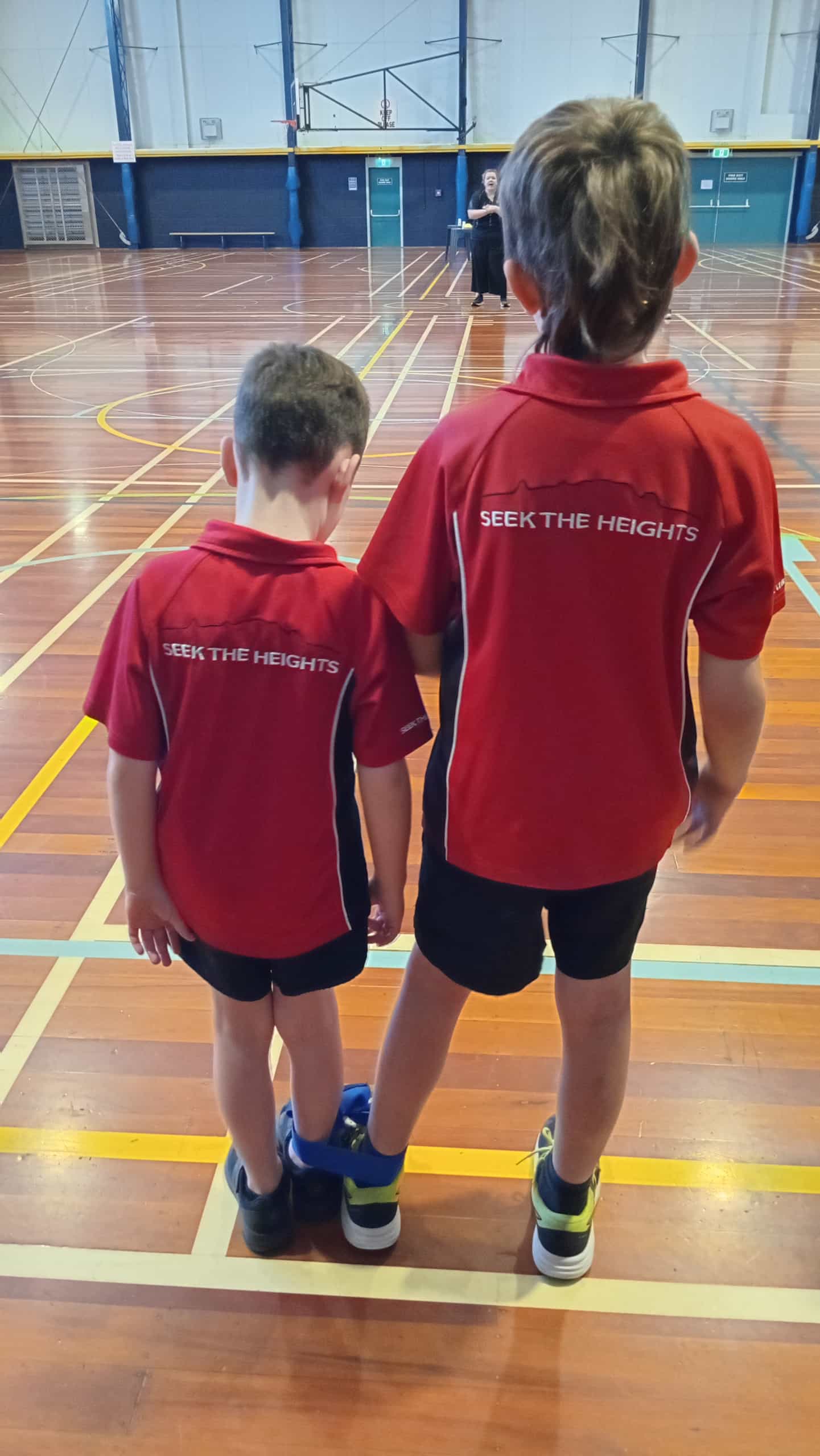
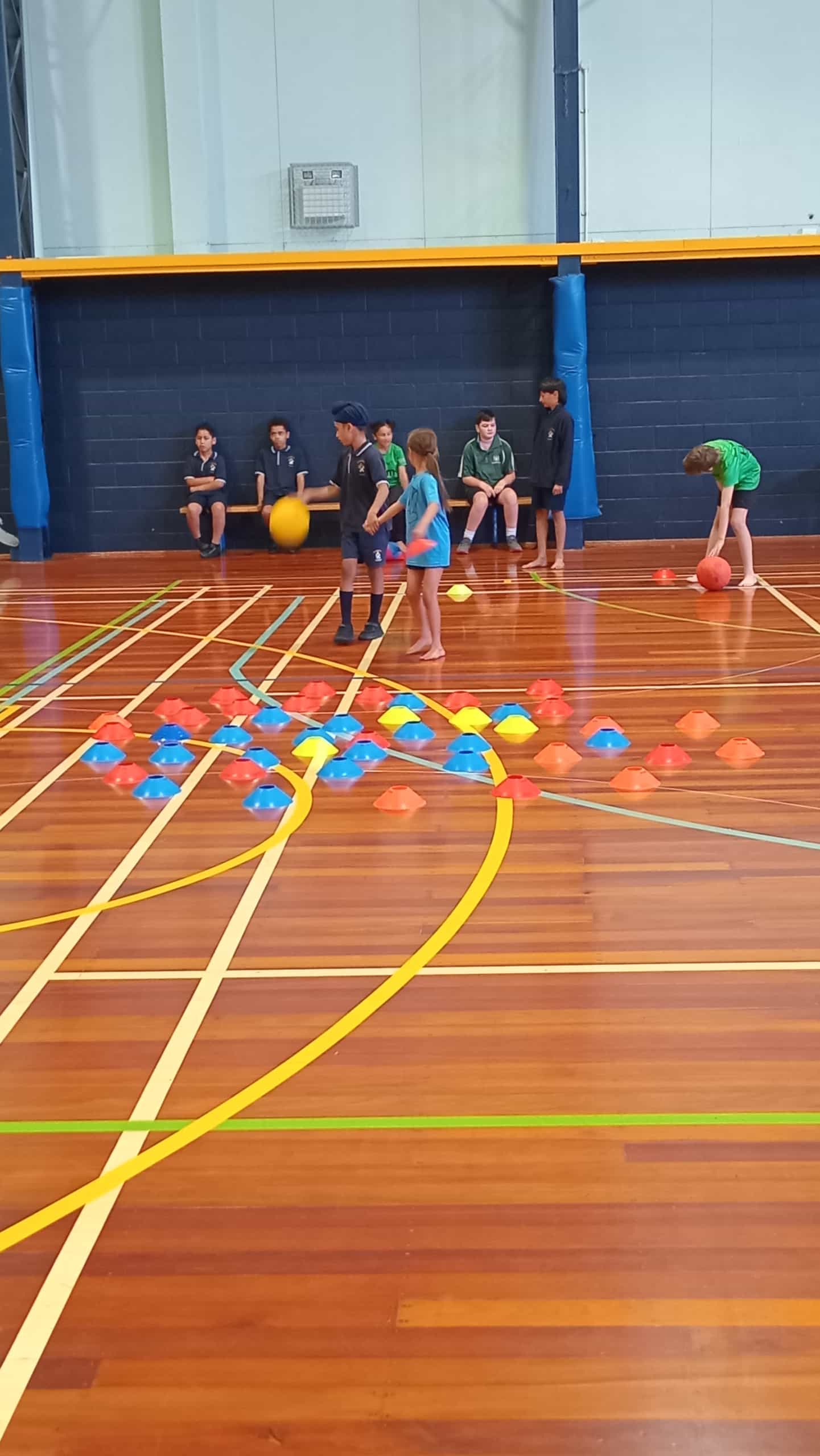
Year 3 & 4 Fundamental Skills Programme: Students participate in Hastings City Council sessions at the Hastings Sports Centre, targeting gross motor development, balance, midline crossing, coordination, fine motor skills, and teamwork.
SMART Moves Programme (Junior & Middle School): A movement-based intervention supporting core strength, coordination, and motor planning, fully integrated with our PE curriculum to support learning-readiness.
What do our students say:
Daily Movement, a Senior School perspective (summary of key ideas/thoughts): Movement is good for your mental and physical health. It gives you a learning break, is fun, keeps you healthy, and lets you get fresh air. We also learn about patterns, rhymes, and repetition through movement, these patterns help us with our reading, writing and maths. Overall we can calm our brains so you're ready to go after fitness, Swimming or P.E.
Adaptive sessions with Linc (Personal Trainer): The kids feel that Linc is really fun to work with. They think he does lots of games and exercises that help them to get fit," to feel strong," and "healthy." The students commented that they get to know new people when we play games with him.
Fundamental Skills Programme, the students thoroughly enjoy all aspects. It is their favourite part of the school week, “best day ever”. They commented that:
"I love playing badminton and the Pizza Game!"
"I can't choose what I like the most, I love all of the sports and movement activities!"
What You Can Do at Home
Building core strength doesn’t have to be complicated or time-consuming — small, fun activities at home can make a big difference. Here are a few ideas you can try with your child:
Prone Extension (Superman/Superwoman): Have your child lie on their tummy and lift their arms, chest, and legs off the floor like they’re flying. This strengthens back muscles essential for good sitting posture.
Crawling and Commando Crawling: Encourage crawling races or obstacle courses. Crawling builds core strength and supports cross-body coordination, helping with reading and writing skills.
The Bridge: With your child lying on their back and knees bent, ask them to lift their hips up until their body forms a straight line from shoulders to knees. This builds abdominal and glute strength, improving sitting stamina.
Wheelbarrow Walking: Hold your child’s legs while they walk on their hands. This strengthens the core and shoulders, which support fine motor tasks like pencil control.
Stability Ball Sitting: Let your child sit on a large stability ball while reading, watching TV, or doing homework. Balancing on the ball engages the core and supports better posture without conscious effort.
These activities help your child build the strength and coordination needed for academic success — from holding a pencil to staying focused during class.
Note: It is fantastic when children are active and engaged in sports, yet it's helpful to remember that being sporty doesn't always guarantee they have achieved optimal connection between their body and brain; many children who appear physically capable still benefit from targeted activities to build core strength - a crucial foundation that supports everything from posture to concentration and learning in the classroom.
Article added: Tuesday 25 November 2025